
|
|
|
Mosquito nets are basically fine mesh fabric that keeps mosquitoes and other biting bugs away from you while you sleep They stop mosquitoes from biting, so they help keep you from getting nasty diseases from mosquitoes, like:
* Malaria
* Dengue fever
* Zika virus
* Chikungunya
* Yellow fever
**What They're Made Of**
Most mosquito nets are made with:
* Polyester – It’s cheap, doesn’t weigh much, and lasts a while (that's the most common).
* Cotton – nice to breathe, feels good, but it’s not as strong and a bit heavy.
* Polyethylene or Nylon – these are tough and good for camping or military use.
* Polypropylene – you may see these for nets you toss out after a short time.
**How Big Are the Holes?**
The holes need to be tiny enough, so mosquitoes can’t get through but still let air in.
* Aim for about 156 tiny holes in every square inch.
**Different Kinds of Mosquito Nets**
1. **What shape are they?**
* Rectangle: Good for big beds, like you have space inside.
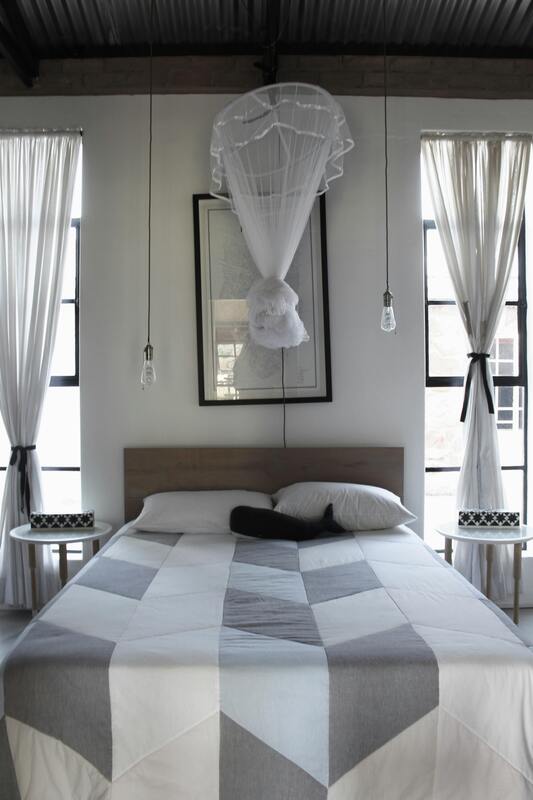
* Cone (Round): It hangs from one spot above the bed. It's easy to put up.
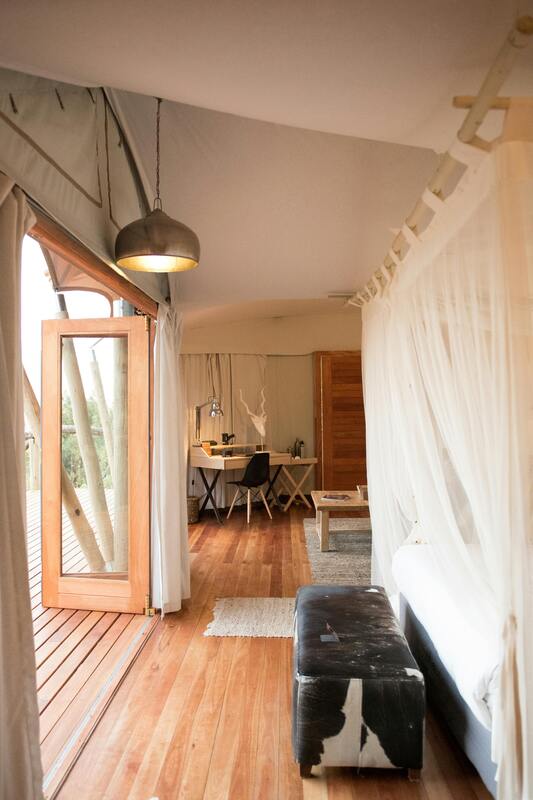
* Box-shaped: Hangs from four corners, roomy.
* Pyramid/Tent: Usually for one bed or for camping.
2. **What are they used for?**
* Indoor Nets: over beds, baby beds, or windows.
* Outdoor Nets: Camping, picnics, or for when you're traveling.
* Baby Nets: made to go over small beds, strollers, or baby beds.
* Window/Door Nets: To keep mosquitoes out of rooms.
3. **Have they been treated?**
* Plain Nets: Just a screen.
* Insecticide-Treated Nets (ITNs): covered in a spray that kills or keeps mosquitoes away.
* Long-Lasting Insecticide Nets (LLINs): last a few years, even after you wash them a bunch of times.
**Putting Them Up**
* Hanging nets: You put hooks on the ceiling or a frame.
* Self-Supporting/Folding Nets: They pop open, great for trips.
* Fixed Nets: You stick them on windows or doors using Velcro or magnets.
**Taking Care of Your Net**
To make it last:
* Wash it by hand with a gentle cleaner, not harsh stuff.
* Don’t squeeze it too hard, just hang it to dry in the shade.
* Keep it dry when you're not using it that way it won't get moldy.
* If it’s a treated net, don’t wash it too often or the bug killer will disappear.
**Why They're Good for You**
* Keep you from getting mosquito diseases.
* Better than using sprays or bug-repelling incense.
* Good for babies, pregnant women, and older folks.
* Let you sleep well because air can still get through.
**Ups and Downs**
✅ **Good Stuff:**
* No chemicals to worry about if you get the plain kind.
* You can take them with you and reuse them.
* Don’t need electricity.
* Cheap and they can last.
⚠️ **Not-So-Good Stuff:**
* You have to put them up right.
* Can rip if you're rough with them.
* Plain nets only stop mosquitoes; they don’t kill them.
* You have to keep them clean which means sometimes you needs to add more spray (if it's that kind).
**What about the Planet?**
* The nets made from polyester and nylon are man-made, so you need to throw them away the right way.
* If it’s a net with bug killer, be careful with it when you don’t need it anymore, so it doesn't hurt the environment.
**Tips for Picking One Out**
* Size: Get one that fits your bed (single, double, king, etc.).
* What it's made of: Polyester will last longer; cotton feels nicer.
* Hole Size: Smaller holes keep bugs out better.
* How easy to put up: Pick a folding or hanging type, depending on where you’re using it.
* Treatment: If you’re in a place where there are a lot of mosquitoes, get one with bug killer that lasts.
* Easy to carry: The folding or tent kinds are good for taking with you.
**Make Your Own!**
You can even make one yourself. You'll need:
* Thin fabric with tiny holes
* A machine to sew it together.
* Elastic or rope for the edges.
* Hooks or something to hang it from.
**How Long Do They Last?**
* Plain nets: A year or two (depends on the material).
* Treated nets (LLINs): Three to five years, or after you wash them 20–25 times.
* Malaria
* Dengue fever
* Zika virus
* Chikungunya
* Yellow fever
**What They're Made Of**
Most mosquito nets are made with:
* Polyester – It’s cheap, doesn’t weigh much, and lasts a while (that's the most common).
* Cotton – nice to breathe, feels good, but it’s not as strong and a bit heavy.
* Polyethylene or Nylon – these are tough and good for camping or military use.
* Polypropylene – you may see these for nets you toss out after a short time.
**How Big Are the Holes?**
The holes need to be tiny enough, so mosquitoes can’t get through but still let air in.
* Aim for about 156 tiny holes in every square inch.
**Different Kinds of Mosquito Nets**
1. **What shape are they?**
* Rectangle: Good for big beds, like you have space inside.
* Cone (Round): It hangs from one spot above the bed. It's easy to put up.
* Box-shaped: Hangs from four corners, roomy.
* Pyramid/Tent: Usually for one bed or for camping.
2. **What are they used for?**
* Indoor Nets: over beds, baby beds, or windows.
* Outdoor Nets: Camping, picnics, or for when you're traveling.
* Baby Nets: made to go over small beds, strollers, or baby beds.
* Window/Door Nets: To keep mosquitoes out of rooms.
3. **Have they been treated?**
* Plain Nets: Just a screen.
* Insecticide-Treated Nets (ITNs): covered in a spray that kills or keeps mosquitoes away.
* Long-Lasting Insecticide Nets (LLINs): last a few years, even after you wash them a bunch of times.
**Putting Them Up**
* Hanging nets: You put hooks on the ceiling or a frame.
* Self-Supporting/Folding Nets: They pop open, great for trips.
* Fixed Nets: You stick them on windows or doors using Velcro or magnets.
**Taking Care of Your Net**
To make it last:
* Wash it by hand with a gentle cleaner, not harsh stuff.
* Don’t squeeze it too hard, just hang it to dry in the shade.
* Keep it dry when you're not using it that way it won't get moldy.
* If it’s a treated net, don’t wash it too often or the bug killer will disappear.
**Why They're Good for You**
* Keep you from getting mosquito diseases.
* Better than using sprays or bug-repelling incense.
* Good for babies, pregnant women, and older folks.
* Let you sleep well because air can still get through.
**Ups and Downs**
✅ **Good Stuff:**
* No chemicals to worry about if you get the plain kind.
* You can take them with you and reuse them.
* Don’t need electricity.
* Cheap and they can last.
⚠️ **Not-So-Good Stuff:**
* You have to put them up right.
* Can rip if you're rough with them.
* Plain nets only stop mosquitoes; they don’t kill them.
* You have to keep them clean which means sometimes you needs to add more spray (if it's that kind).
**What about the Planet?**
* The nets made from polyester and nylon are man-made, so you need to throw them away the right way.
* If it’s a net with bug killer, be careful with it when you don’t need it anymore, so it doesn't hurt the environment.
**Tips for Picking One Out**
* Size: Get one that fits your bed (single, double, king, etc.).
* What it's made of: Polyester will last longer; cotton feels nicer.
* Hole Size: Smaller holes keep bugs out better.
* How easy to put up: Pick a folding or hanging type, depending on where you’re using it.
* Treatment: If you’re in a place where there are a lot of mosquitoes, get one with bug killer that lasts.
* Easy to carry: The folding or tent kinds are good for taking with you.
**Make Your Own!**
You can even make one yourself. You'll need:
* Thin fabric with tiny holes
* A machine to sew it together.
* Elastic or rope for the edges.
* Hooks or something to hang it from.
**How Long Do They Last?**
* Plain nets: A year or two (depends on the material).
* Treated nets (LLINs): Three to five years, or after you wash them 20–25 times.